
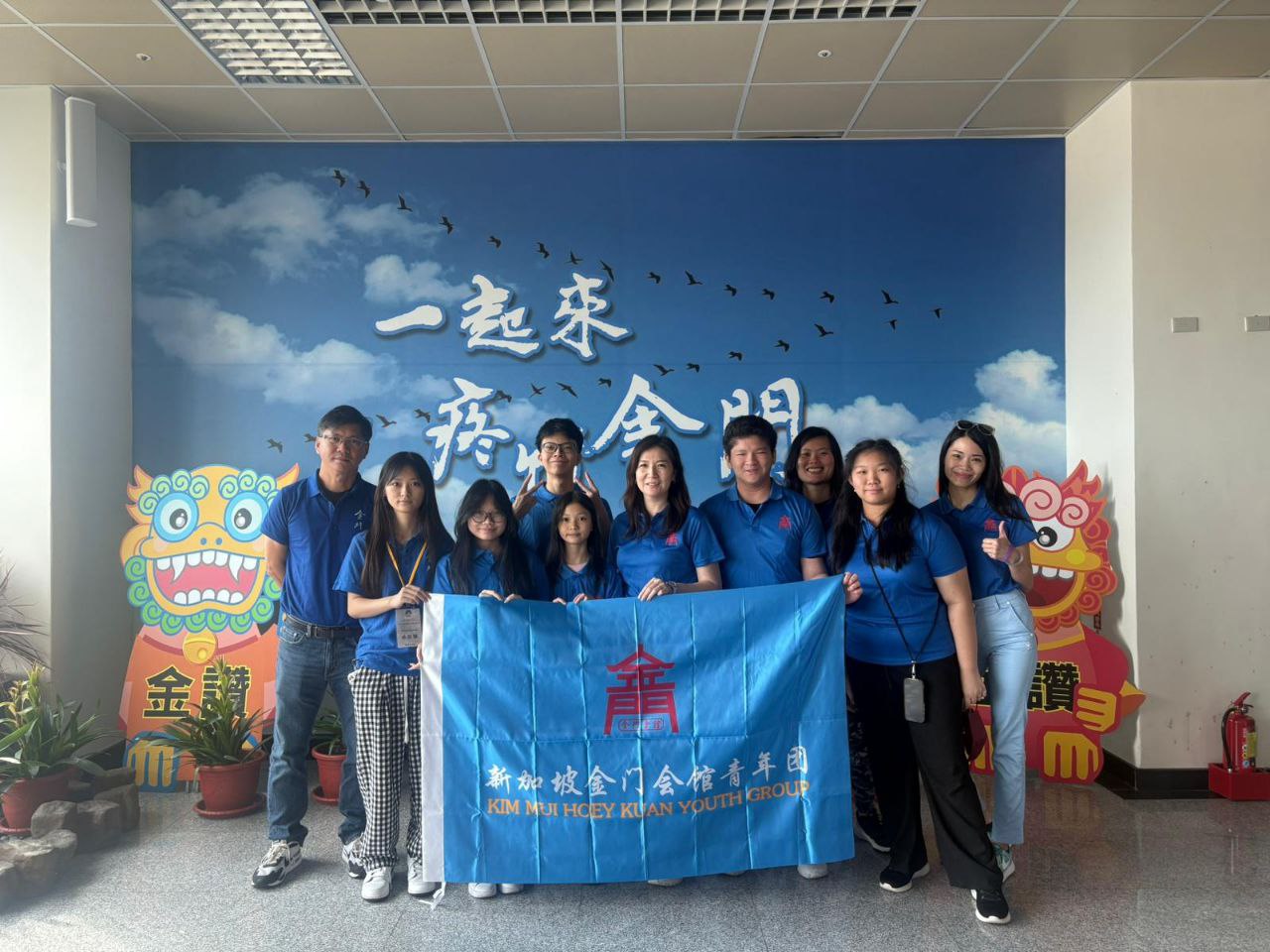
Some time in the later months of 2025, a small group of us travelled to the Kinmen Islands—an eclectic gathering of nine Singaporeans. The journey became one of exploration and immersion into Kinmenese heritage.
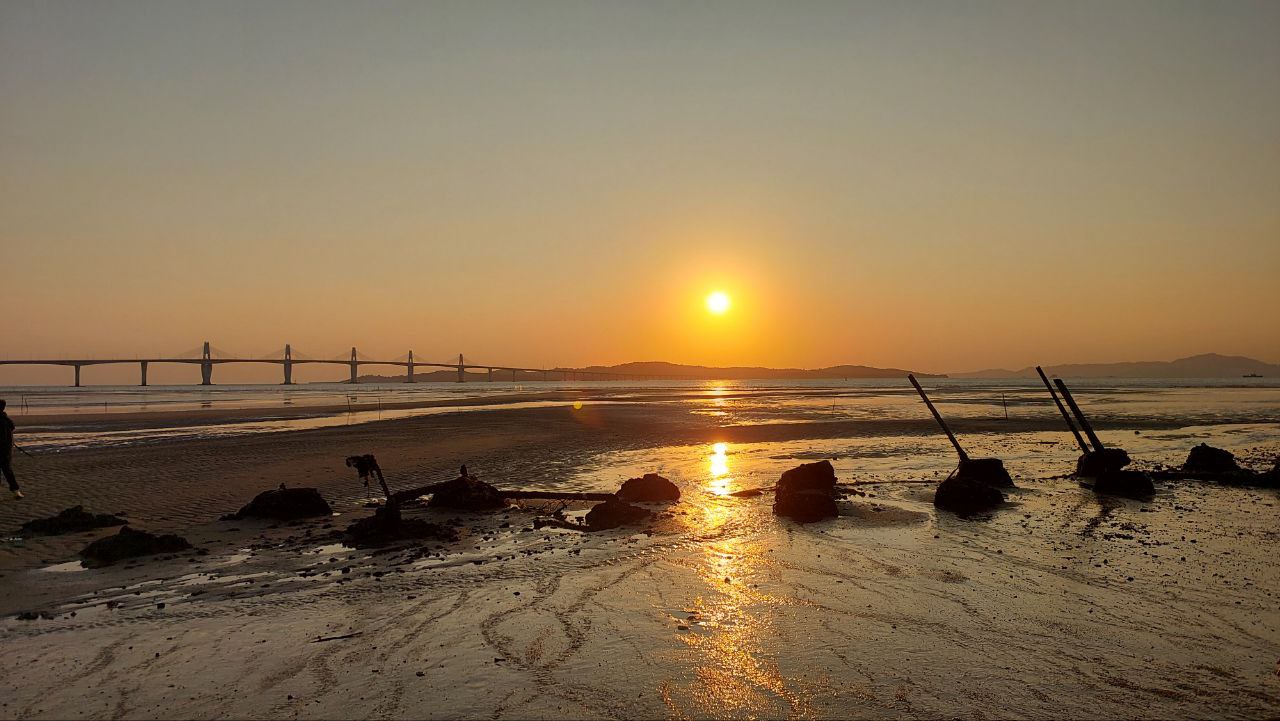
The Kinmen Islands hold an intricate history woven inextricably with military conflict and intimate family relationships. This military past remains visible through vast networks of tunnels, such as the Zhaishan Tunnels built for warships, and the iconic kitchen knives reforged from discarded artillery shells. Yet, the most profound lessons of Kinmen are not drawn from war itself, but from the quiet resilience of the human spirit. These structures, once built for survival, now stand as reminders of hope, patience, and the determination of those who endured shelling while holding onto dreams of ordinary, peaceful lives.
Resilience in Kinmen is not born solely from conflict but from a far deeper source: family bonds. From the matriarch’s vigil—a steadfast guardianship of lineage as women sustained households—to the sacrifices of migrants, where many men journeyed to Southeast Asia in search of opportunity, sending remittances home that financed family dwellings and some of the island’s ornate mansions, such as the Cheng Jing Lan building. These homes stand as quiet testaments to lifetimes of labour and devotion, built to secure futures for families that migrants themselves might not see for decades. Over time, resilience takes on a softer yet enduring form—a steady fortitude constructed across nations, shaped by both brick and human connection.
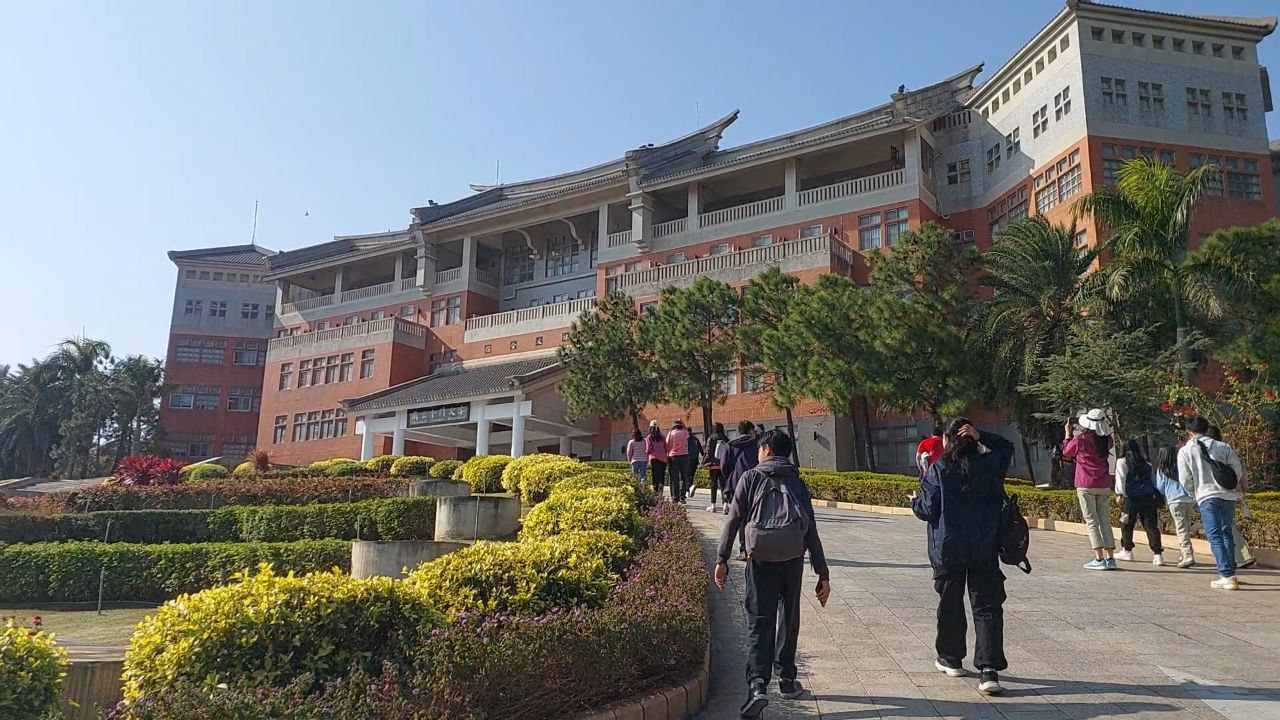
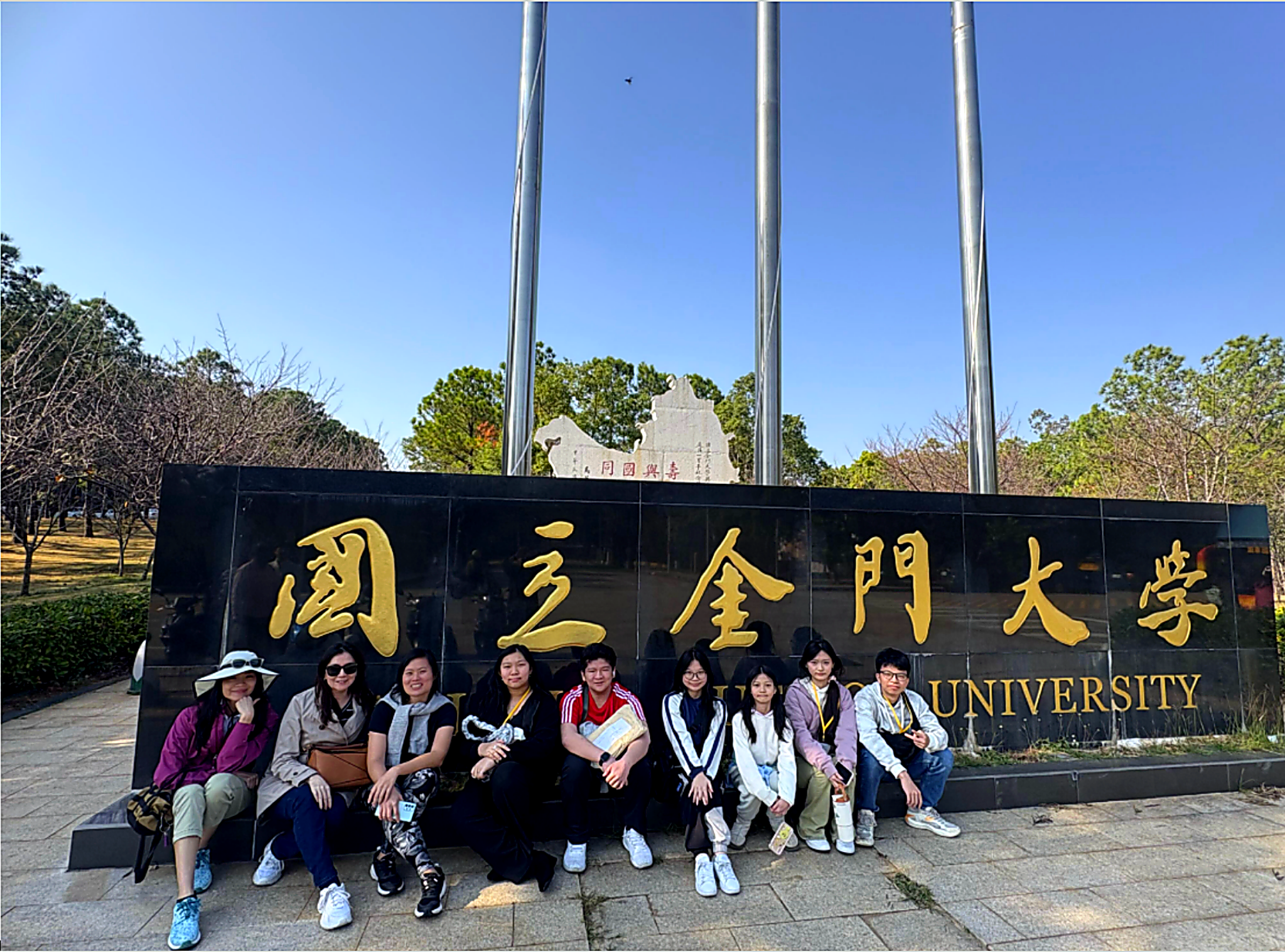
This cycle of giving extended beyond the construction of family homes. Many successful migrants returned their gratitude to the wider community, transforming private remittances into public philanthropy through the funding of schools, temples, and vital infrastructure. A prominent example is the former Kinmen University of Science and Technology, now known as National Quemoy University, established with substantial financial contributions from overseas Kinmenese communities and associations, particularly in Southeast Asia. Through such initiatives, the philanthropic spirit of the Kinmenese transforms filial piety into empowerment for future generations. These contributions extend further into community hospitals, the restoration of ancestral halls as preserved heritage sites, and the establishment of cultural foundations that sponsor traditional arts and youth exchange programmes. In many ways, these enduring acts of generosity continue to nurture Kinmen’s cultural and intellectual future, sustaining the very heritage that makes journeys like ours possible.
While the modern philanthropy of the Kinmenese diaspora builds the island’s institutional future, the heart of Kinmen continues to beat within its everyday traditions, embodied in one of its most essential cultural symbols: Kaoliang liquor. Distilled from hardy sorghum that stubbornly thrives in Kinmen’s salty wind and poor soil, this clear and potent liquor forms a fundamental thread in the fabric of the community. It is the required offering at temple altars and ancestral tombs, the customary gift presented during homecomings, and the shared drink that accompanies conversations from family dinners to village festivals. In every glass, one tastes the terroir of the island itself—a resilient, adaptive character transformed through fire and time into a warm, communal currency. It is the liquid expression of Kinmen’s social contract: a local signature that consecrates memory, facilitates connection, and toasts continuity from one generation to the next.
As our journey in Kinmen came to a close, we carried with us a renewed understanding of resilience. The strongest foundations of a home are laid by connection, not conquest, and the most profound strength is found not in defiance but in devotion—an unwavering commitment to hold one another across distances and generations. The island’s true legacy lies in its deep family roots, sustained through the simple yet powerful act of staying connected. It is a quiet triumph of the human heart, making Kinmen not merely a place to visit, but a lesson to cherish: that resilience is ultimately relational, forged not in solitude but in the enduring spaces between people who refuse to let distance dissolve their bonds.
This trip was made possible with the support of the Kinmen County Government, County Council, the Kinmen Clans in Taiwan, Zimei Holidays and our local tour guides, all involved support staff and of course the Singapore Kinmen Association. Our gratitude and thanks to their efforts!
二零二五年深秋,我们一行九位背景各异的新加坡人踏上了金门群岛。这趟旅程,成为了一场对金门文化遗产的深入探寻与沉浸体验。
金门的历史经纬中,军事冲突与家族血脉紧密交织。战争的痕迹至今可见:诸如为军舰修筑的翟山坑道等庞大隧道网络,以及用废弃炮弹壳重铸而成的标志性金门菜刀。然而,金门给予我们最深刻的启示,并非源于战争本身,而是来自人类那份沉静而坚韧的精神。这些曾为生存而建的工事,如今静静矗立,诉说着当年人们在炮火中怀抱平凡生活梦想时,那份深植于心的希望、耐心与坚守。
金门的坚韧,其根源不止于冲突,更植根于一个更深邃的源泉:家族纽带。从守护香火、持家有道的女性族长,到远渡南洋谋生、寄回侨汇筑起家园与岛上华厦(如陈景兰洋楼)的异乡游子,这些宅邸默默见证着他们以毕生辛劳与奉献,为家人奠基未来——一个游子自己或许数十载都未能亲眼所见的未来。久而久之,这份坚韧化作了一种更柔和却更恒久的力量:一种跨越国境、由砖石与人情共同构筑的绵长毅力。
这种给予的循环,并未止步于家园的建设。许多事业有成的侨民将感激之情回馈给更广阔的社群,使私人汇款转化为惠及公众的慈善之举,资助学校、庙宇及重要基础设施。一个显著的典范是原金门技术学院(即现在的国立金门大学),其创立很大程度上得益于海外金门社群与社团,尤其是东南亚地区的慷慨捐资。通过这样的善举,金门人的慈善精神将孝亲之情,升华为对后世子孙的赋能。这份贡献更延伸至社区医院、作为文化遗产保存的宗祠修复,以及资助传统艺术与青年交流项目的文化基金会。从许多方面而言,这些持久的慷慨之举,持续滋养着金门文化与知识的未来,守护着那份使我们此行成为可能的珍贵遗产。
当金门侨胞的现代慈善事业构建着岛屿的制度未来时,金门的心跳依然在其日常传统中律动,这在其最重要的文化象征之一——高粱酒中得以完整体现。这种清澈烈性的酒,由顽强生长于金门咸风瘠土中的高粱酿制,构成了此地社群肌理的基本脉络。它是庙宇神坛与祖先坟前必备的祭品,是游子归家时依礼相赠的手信,更是从家庭晚餐到村落节庆中,伴随畅谈的共享之饮。每一杯酒中,都蕴藏着岛屿的风土滋味——一种历经烈火与时光转化而成的、坚韧且适应力强的特质,化作温暖而具凝聚力的共通媒介。它是金门社会契约的液态表达:一种承载记忆、联结人情、为代际传承举杯致敬的本土印记。
金门之行临近尾声时,我们带走了一份对“坚韧”的新理解:家园最牢固的基石,在于联结,而非征服;最深沉的力量,见于奉献,而非对抗——那是一份跨越山海与世代、彼此守护的坚定承诺。这座岛屿真正的遗产,深植于其深厚的家族根系中,凭借“保持联结”这简单却强大的行动得以延续。这是一场属于人心的沉静凯旋,让金门不仅是一个值得探访之地,更是一份值得珍藏的启示:坚韧的本质在于关系,它并非铸就于孤独之中,而是孕育在那些拒绝让距离消解纽带的人们之间,那永恒的交汇空间里。
本次旅程承蒙金门县政府、县议会、旅台金门同乡会、自游假期旅行社、本地导游、全体相关工作人员,以及新加坡金门会馆的鼎力支持,谨此致以诚挚谢忱!